Women in Industry
SPRI leads since 2020 the “Women in Manufacturing expert group” of the Back to the Future project, promoted by the World Manufacturing Foundation, an organization based in Milan, Italy, which aims to spread industrial culture worldwide.
‘'Back to the Future” is the name of a relevant initiative promoted by the World Manufacturing Foundation, WMF, an organization that researches, debates and shares solutions for the manufacturing industry, a worldwide important economic and social sector that is essential for the Basque development.
Periodically, WMF brings together international teams of experts in different topics to address issues that affect manufacturing, focusing their research on different areas and exploring strategies that allow it to evolve in a competitive but also sustainable way.
Euskadi, transitioning to the new industry
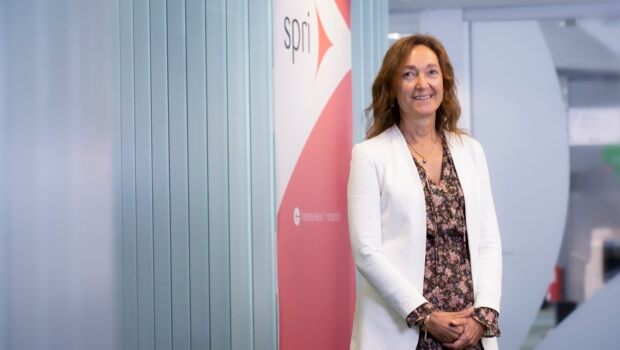
Under the leadership of Cristina Oyón, director of Technology, Innovation and Sustainability of SPRI Group, the “Women in Manufacturing” Expert Group has gathered 25 experts from companies from different industries, international organizations and research centers from four continents to discuss the situation of women in Industry and identify best practices and recommendations to improve their access, thrive and leadership in industrial companies. The conclusions of the meetings are the basis of the reports prepared for the World Economic Foundation, included below.

Gender Equality in Basque Industry: Report on Good Practices and Examples
This report offers an analysis of the good practices implemented by Basque companies that performed best in terms of gender equality and competitiveness, based on the SPRI study “The Impact of Women on Industrial Competitiveness”, presented in 2023. That report demonstrated that companies with a higher degree of gender equality are more competitive, with stronger results in terms of increased turnover and employment, R&D&I activity, and internationalisation. Gender Equality and...Read more
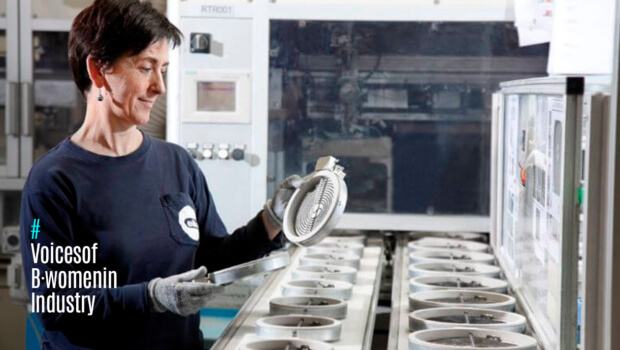
“Women are harmed by workplaces designed without their needs in mind and it’s time to rethink them. The world of work needs a wholesale redesign led by data on female bodies and female lives. Designers are rarely equipped to see and understand the unique challenges created by gender inequality. By designing workplaces that work for women we have more opportunities to attract them”.
Lucía Velasco - Director, ONTSI
“Manufacturing industry has a patriarchal structure designed by men, for men and to keep women out at the beginning. Nobody wants to keep it this way and it is the system we are fighting against. We have cultural, domestic and business barriers to break”.
Rhonda Barnet - President and COO, AVIT Manufacturing
“Let’s claim the space. Let's make this a formal mandate for the World Manufacturing Forum. It’s not only about writing reports, but about engaging people”.
Rhonda Barnet - President and COO, AVIT Manufacturing
“If we want more girls to choose manufacturing as their career, curriculums related to manufacturing should be updated to match what really is going on in the industry”.
Fiona Zhao - Associate Professor, McGill University (Canada)
“Contribution of women is already there, but it is not yet recognized enough. Once we recognize it, we give it relevance”.
Fiona Zhao - Associate Professor, McGill University (Canada)
“The starting point is to show women have many things to say”
Giulia Artibani - Head of Communications, EFFRA
“As women we are not asking for our share, we are asking for our job’s value recognition, whatever it is”.
Luciana Ciceri - CEO Ciceri de Mondel
“Gender equality is not only a fundamental human right, but the basis for a peaceful, prosperous and sustainable world, states SDGs Goal Number 5: jobwise gender equality must be based on equal job, risks, benefits and salaries”.
Luciana Ciceri - CEO Ciceri de Mondel
“Flexible and remote work environments are important and can promote women’s labor market inclusion. However, they are not free of risks: detachment from the workplace could weaken connections with peers and leaders, which could reduce opportunities for career advancement.”
Alina Sorgner - Research Affiliate, John Cabot University in Rome
“Gender-based discrimination starts in early childhood and continues at school, universities and the workplace. For a future where leadership is not associated with any gender, education, training and professional opportunities must equally empower girls and boys, women and men”.
Cecilia Ugaz Estrada - Director of Gender Equality & Empowerment of Women Office, United Nations Industrial Development Organization (UNIDO).
“Flexible work arrangements, family-friendly policies and parental leave for women and men enable families to overcome gender stereotypes and distribute unpaid care work more equally”.
Cecilia Ugaz Estrada - Director of Gender Equality & Empowerment of Women Office, United Nations Industrial Development Organization (UNIDO).
“Educational institutions should be mindful of existing gender gaps in high-demand skills and take steps to help female students improve their skills portfolios.”
Alina Sorgner - Research Affiliate, John Cabot University in Rome
“White papers are powerful when accompanied by key stakeholders’ concrete actions.”
Alina Sorgner - Research Affiliate, John Cabot University in Rome
“Women are not a homogeneous group. Different income levels, class, ethnicity or physical ability changes our experiences of the crisis. We should address all women’s concerns in the recovery”
Judith Kirton-Darling - Deputy General Secretary, IndustriAll European Trade Union
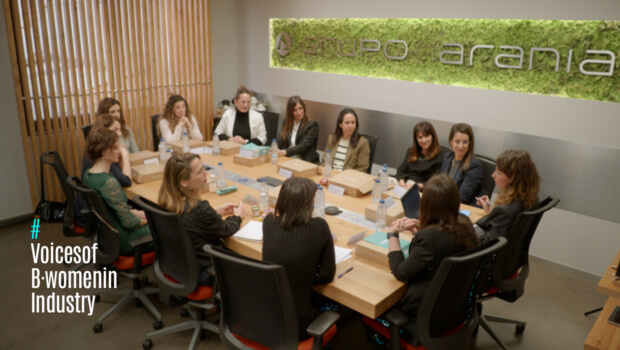
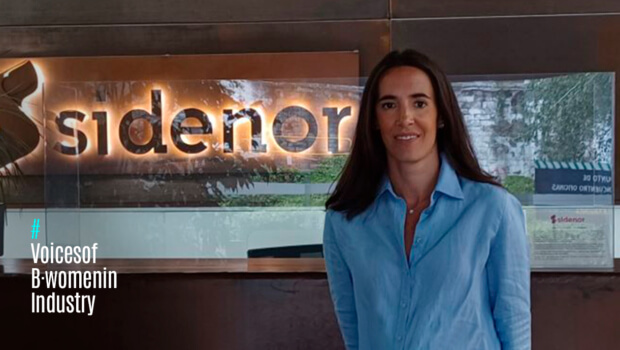
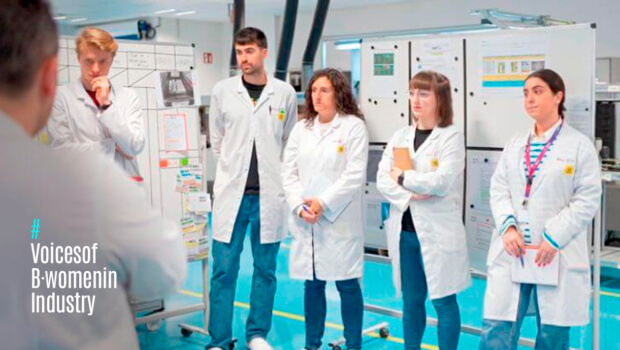
8 good practices thanks to the voices of Sidenor, Arania, EIKA, Engranajes Juaristi, SVE, Fagor Automation and Glual
8 Game changing actions
01_ Engage girls in STEAM
02_ Increase women's employability
03_ Promote female entrepreneurship
04_ Equitable work enviroment
05_ Equal pay for equal value
06_ Gender equality plans
07_ Women's participation in decision making
08_ Women on boards
3 Building blocks
01_ Data & research
02_ Making manufacturing appealing
03_ Female role models
Gender equality no longer remains just a matter of human rights, but a fundamental question to ensure competitiveness and economic recovery
3 building blocks
Data & research
To foster the collection of gender data on industrial activity, so that a monitoring of the evolution of women in Industry can be made.
Making Manufacturing Appealing
To show Industry as an economic activity based on technology, innovation and sustainability that generates economic, social and environmental value.
Female Role Models
Make the involvement of leading women manufacturing visible: such women will inspire and accompany other young women in becoming part of the industry.
3 strategic areas of action to influence and 8 “games-changing actions” to be developed with the participation of governments, international organizations, industry and industry associations, universities and educational centers.
Acces
Thrive
Lead

Funding: Emakunde offers funding programs to carry out diagnoses and preparing and adapting gender plans, as well as to promote the participation of women in all areas of Basque companies and industries.
We design aid programs to boost your Innovation project

Outreach programme on digital and sustainable technologies to improve processes and products
Practical, proactive and interactive immersive days, with real-time demonstrations of the main applications of cutting-edge technology in business cases. See the agenda BDIH
BDIH