The Lehendakari convenes the Industrial Defence Group in response to the escalation of the conflict in the Middle East
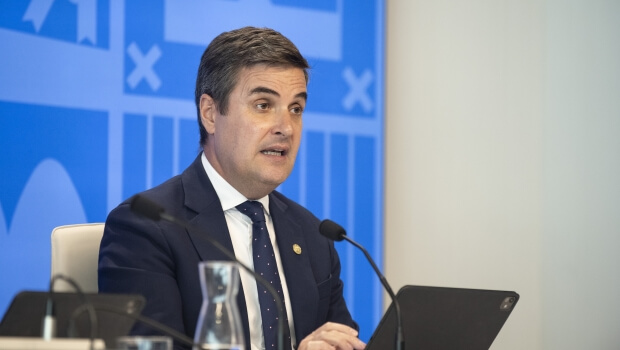
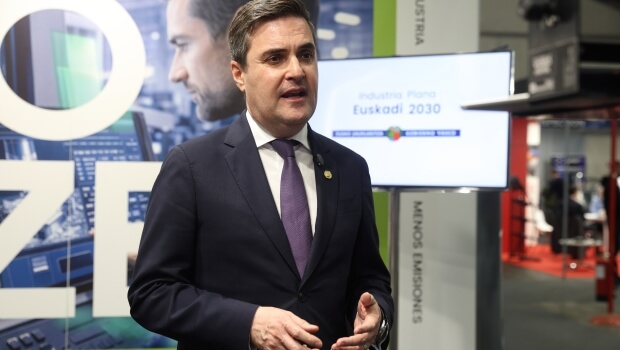
The Lehendakari, Imanol Pradales, has announced the urgent convening of the Industrial Defence Group to analyse, together with institutions, clusters, companies and other stakeholders, the consequences of the conflict in the Middle East. The meeting will take place next Wednesday with the aim of activating permanent monitoring mechanisms, strengthening coordination with industrial clusters and preparing contingency measures in a scenario that could last for months.
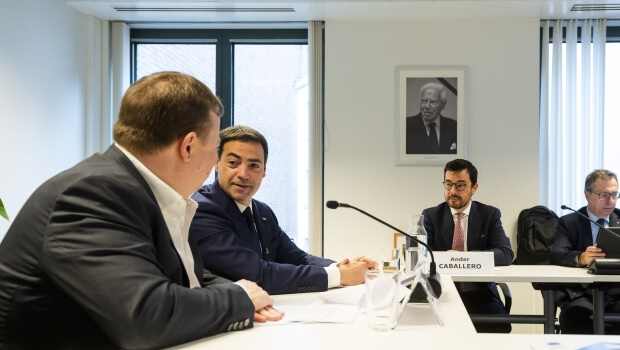
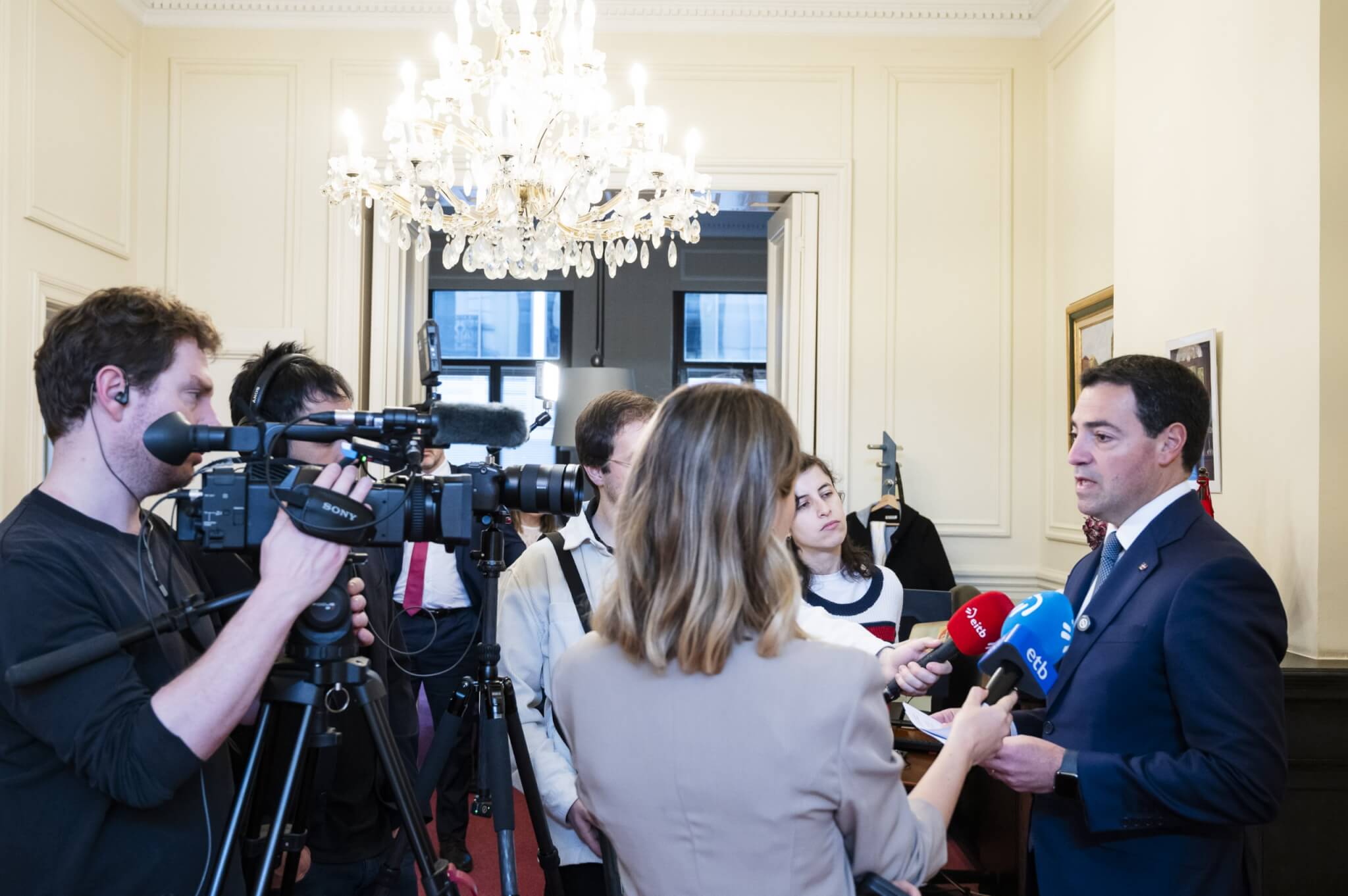
This morning, Imanol Pradales held a videoconference from Brussels with the Minister for Finance, Noel d’Anjou, and the Minister for Industry, Energy Transition and Sustainability, Mikel Jauregi, to share assessments of the consequences of the conflict in the Middle East and its impact on the Basque economy. “The military escalation in the Middle East is not a distant conflict. Today it represents the greatest energy and logistics threat to Basque industry since 2022,” the Lehendakari said.
In this regard, he recalled that Euskadi has a significant business presence in the areas affected by the conflict. The Basque Government has identified 42 Basque companies and 63 industrial and commercial operations that are directly suffering the consequences of the escalation.
“But the impact goes much further,” Imanol Pradales warned, also stressing that “we are seeing strong tension in energy markets, with increases in the prices of oil, gas and electricity. And this has an immediate effect on our industry.”
At the same time, the conflict is having a very severe impact on supply chains and international maritime transport. The closure of the Strait of Hormuz and instability in the Red Sea are forcing commercial routes to be diverted around the Cape of Good Hope, resulting in higher logistics costs, delays in delivery times and tensions in the supply of raw materials.
“If this situation continues over time, it could also have a significant macroeconomic impact in Europe and in our economy,” the Lehendakari insisted. In Euskadi, the sectors that could be most affected include steel, metallurgy, automotive, and the chemical and petrochemical industries, all of them fundamental pillars of the Basque industrial fabric.
“In recent years we have learned something important: from Euskadi we cannot control the global geopolitical chessboard, but we can react quickly to protect our industry. We did so during the pandemic, during the war in Ukraine and in response to trade tensions and international tariffs. Experience tells us that the time we take to react will determine the scale of the impact,” he said.
For this reason, the Lehendakari has convened the Industrial Defence Group, which will meet next Wednesday with the aim of activating permanent monitoring mechanisms, strengthening coordination with industrial clusters and preparing contingency measures in a scenario that could last for months.
“Basque industry has demonstrated its resilience many times. And the Basque Government will act with the same determination: anticipating developments, supporting the industrial fabric and defending our productive capacity,” he concluded.
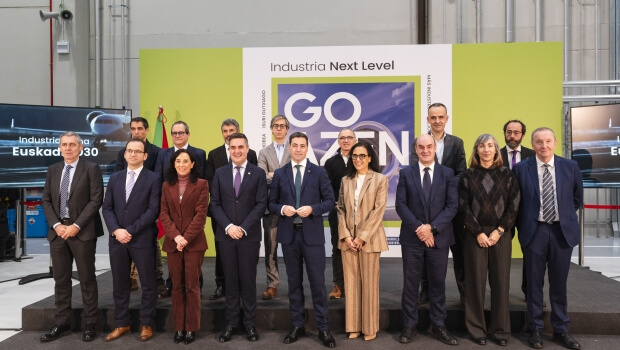
This will be the fourth meeting of the Industrial Defence Group since its creation in February 2025. The forum brings together the Basque Government, chambers of commerce, the provincial councils (Diputaciones Forales), social partners, and representatives of clusters and the productive sector, and aims to share assessments of the global economic situation, monitor the most exposed sectors, identify support policies and instruments, and activate new capabilities to turn difficulties into opportunities.